August 2025 - Pricing Strategy, A/C Infrastructure & Bacterial Detection:
This month, Charlie gives some practical pricing advise for start-ups and Paddy takes a deep dive into the impact of Europe's lack of A/C. As always, there's plenty more to sink your teeth into.


The Double Nudge - a relatable guide to personal growth:
The words in this newsletter are entirely our own, but the insights and ideas have been inspired by others. Our goal is to synthesise the best information we have consumed each month, and relate it to our everyday lives.
This is our attempt to get better each day, and we would love you to join us.
Quote of the Month: "Follow effective action with quiet reflection. From the quiet reflection will come even more effective action." – Peter Drucker
Our Challenge of the Month - Pricing Strategy:
One thing I’ve always been fascinated by in business is pricing strategy. We learned about it in university, and I’ve been practically implementing various strategies for 5+ years at Bounce. In essence, there’s a few ways to price in B2B:
Cost Plus: Whatever it costs you plus whatever you can get away with.
Competitor Minus: Whatever your competitor charges minus whatever you can get away with internally.
Value Based: Some amount of the outcome or value derived from the client (this is the dream).
Finger in the Air: Pick a number based on limited information (this can unfortunately be the case more than you’d think)
An advisor of mine once said there is a rule of thumb in pricing that you should lose 10% of deals because you are too expensive. Any more than that, you’re too expensive, and any less, you’re not being bold enough. This is my favourite type of advice; practical enough to be implemented while capturing the essence of how crazy most decisions are in the business world.
This month, we’ve been rolling out a new product (see ‘Building Great Products’ from our May edition here) that we’ve been tinkering with on how to price it. This might not be interesting, but my brain has gone to some interesting places, so I wanted to summarise some pragmatic, actionable pricing advice for you all.
You should start with the ‘perfect’ model, and work backwards. In one of my first meetings I had in New York with an ex advertising exec (think Mad Men, but way less cool), he explained the idea that when designing a logo for a brand, you can charge $10M, and it doesn’t matter if it takes you 10 minutes or 10 weeks, the value is in the outcome.
A pricing model based on cost (e.g. per human hour, or per cost of goods sold) limits leverage and scale. At Bounce, we always strive to have value / outcome based pricing. For us, that means pricing based on the outcome of the decisions made with the insights we share.
However, that is exceptionally difficult as we don’t have visibility of the outcomes of our clients nor can we directly attribute the value back to the decision they made with our data. So we’ve had to evolve. In short, we take a bold, flexible pricing strategy that’s built on some non-negotiables, but completely open beyond that.
The main goal is to win the deal by gathering the necessary information on available budget, competitor pricing and what they’re willing to pay, and make it work for the client. We have a minimum gross margin we try to hit on this, but we can adapt for the right deal. The reality is to replace an incumbent, you need to be significantly better in every way to justify the change, as people are generally averse to it.
Pricing is one critical element to that, so use it wisely.
Some other pricing advice worth noting:
ROI is everything for a buyer: If you can prove to a buyer that if they give you $1, you can give them $1.01, they should rationally give you an infinite number of dollars (that’s why Google or Meta ad businesses were / are a gold mine).
Pricing is always evolving: High margin software business dining on +90% margins with a seat-based model are at risk as the cost of entry in software drops, and excessive profits are targeted.
You’re going to get it wrong: The reality of the situation is that you need to start with a price that one person is willing to pay, and adapt / increase from there, without destroying the future potential of a profitable business model.
The most important thing for you to remember is that every decision ever made at a business was made up by one or a number of individuals acting on the best information or intuition they had. Never assume that it was rational or correct - think from first principles, and go make your own decisions.
Our Trend of the Month - Time to Consider AC Essential Infra, not Extravagant Luxury
It feels very wrong to complain about the good weather, especially as I spend the Winter months longing for some good sun. However, since my new American roommate arrived (cc Rob Muldowney), amid his long-winding European critics, he raised some very valid points about air conditioning.
London and European homes are overheating without Air Conditioning (AC) resulting in negative impacts on productivity, sleep and sometimes well-being.
Productivity Losses:
The Times recently wrote an interesting article titled “Heat makes us slow and stupid”. It highlights how heat exhaustion leads to accelerated heart rate, increased blood flow to the skin and impaired brain function.
On warmer days, decision making quality erodes, reaction times are slower and attention spans reduced. Studies from 1992-2003 estimate a negative 1.5% impact to GDP - which shocked me quite a bit!
Sleep Quality:
A large scale study analysing over 7 million sleep records across 68 countries finds that warmer nighttime temperatures consistently reduce sleep duration.
They found no evidence of short term acclimatisation, meaning people don’t adjust well to hotter nights. Older adults, women and lower socio-economic groups are disproportionately affected.
Extreme heat events and their subsequent impact on sleep quality is shown to increase cardiovascular risks also.
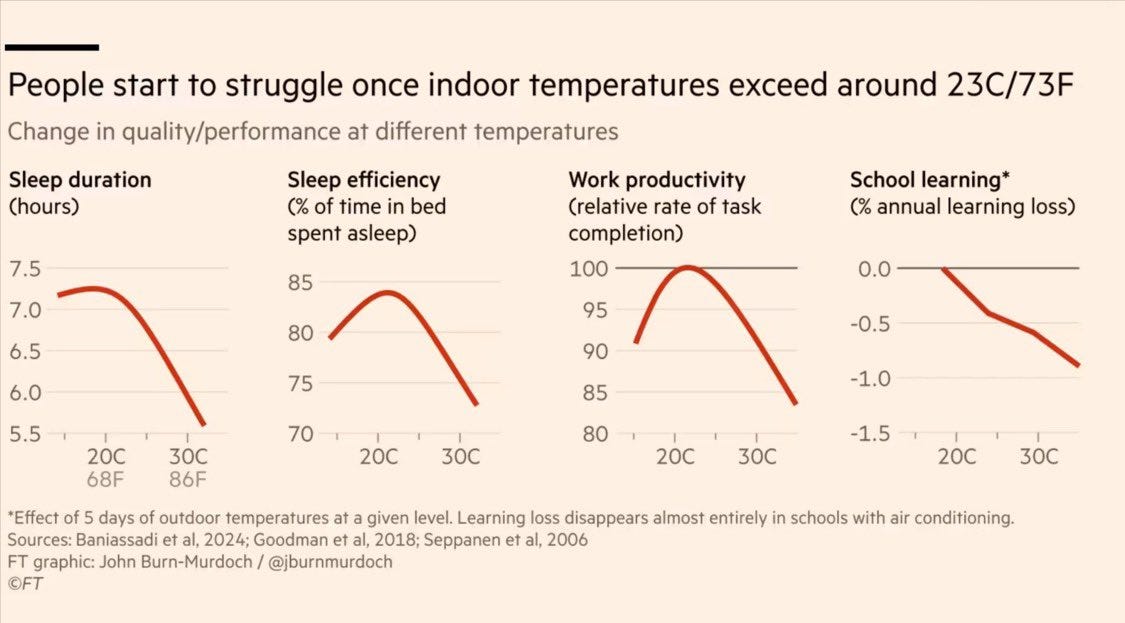
Source: Financial Times
Heat Related Fatalities:
From 2000 to 2019, heat-related fatalities in Western Europe averaged 83,000 per year, compared with just 20,000 in North America. A stark disparity tied partly to low air conditioning use.
Low adoption of AC in Europe results in outsized death numbers, especially during intense heat periods.
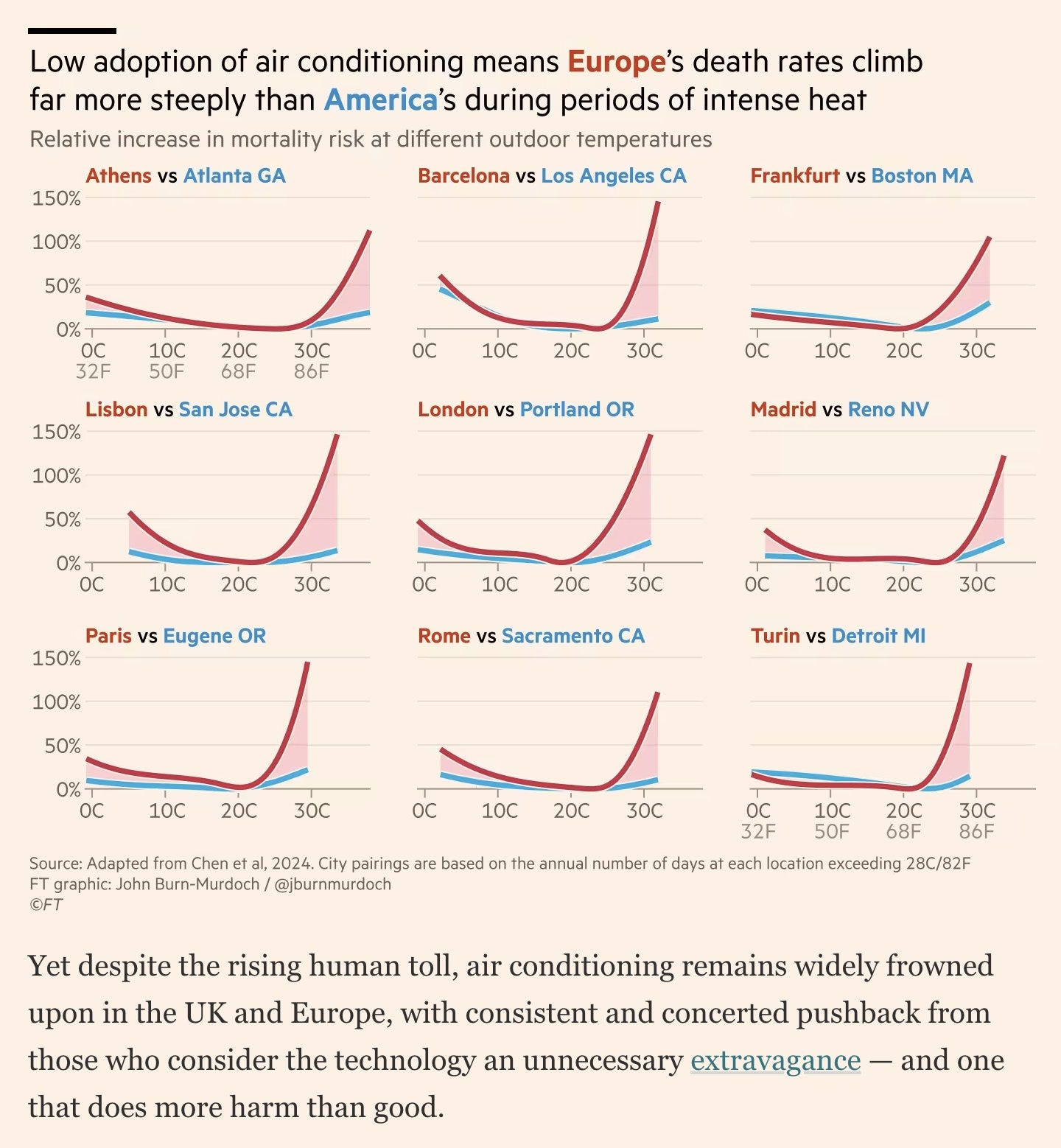
Source: Financial Times
In the UK, the government does offer grants of up to £7,500 for the installation of AC. With more awareness, it seems like there are many opportunities for HVAC businesses to capitalise on these consumer incentives. Companies like Buildforce are growing fast and doing similar things in the US.
Perhaps, it is time to re-frame AC as not a luxury but critical infrastructure. Or maybe the cold side of the pillow will remain as one of life's greatest luxuries.
Start-Up / Founder of the Month - SporeBio:
French deeptech startup SporeBio recently raised a €22 million Series A led by Singular to bring its proprietary on‑site bacterial detection system to factory floors. This follows their €8 million pre-seed led by Localglobe in late 2023.
SporeBio is developing AI-powered microbiology testing that drastically reduces the time needed to identify contaminations. In the past, conventional testing methods would take 5-20 days whereas SporeBio can do this in minutes from the factory floor.
Given product recalls can on average cost £10m per recall, their value proposition is rather compelling. Plus their approach works across food & bev, cosmetics, and pharmaceuticals where delays in testing are costly or even potentially harmful for consumers.
CEO Amine Raji is a former Nestlé manufacturing engineer who experienced these issues first hand. Supported by his co-founders Maxime Mistretta (CTO), a microbiologist with a PhD and Mohamed Tazi (COO), a repeat founder who previously exited Gymlib to EGYM, they are an impressive team.
Given all this, it is not surprising Spore Bio has secured commercial contracts with 200 factories, prompting a waitlist due to overwhelming interest. Plus a partnership with the Pasteur Institute, a leading Microbiology institute.
Looking ahead, SporeBio plans to double headcount by the end of the year and scale out its operations, with US expansion likely. It’s cool to see another impressive French startup tackling an age old microbiology problem.
Content Corner:
Rewiring laziness, a super interesting 2 minute video on how to rewire your brain and avoid laziness here
Launch of Shortcut here, the first superhuman excel agent. A target on white-collar jobs around the world.
Irish start-up Newswhip acquired for €47M here, a great outcome for Paul Quigley and the team
A MIT report suggests that 95% of generative AI pilots at companies are failing here. The desire is there, but delivery seems to be lagging behind
Ireland is one of the most equal and least politically polarised countries in the world here
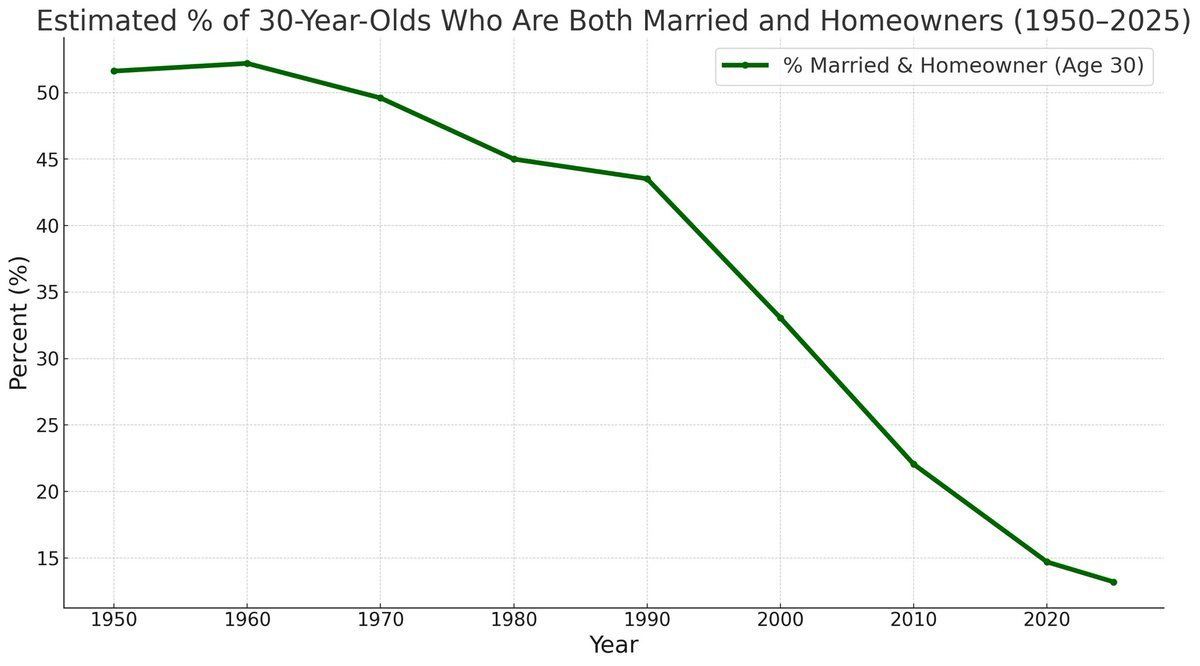
Continued decline of 30-year olds in the US married and homeowners here, falling from 50+% in 1950 to sub 15% in 2025
Thiel Fellowship vs Y Combinator Unicorn Hit Rate here, a wild statistic
Longevity saved America, have enjoyed NFX’s blog recently with some contrarian takes here
The Greatest Scam in History: the creation of the Fed here
Thought-Provoking Graphics:
As discussed before, more people should be encouraged into skilled trades to develop critical skills that are highly demanded.
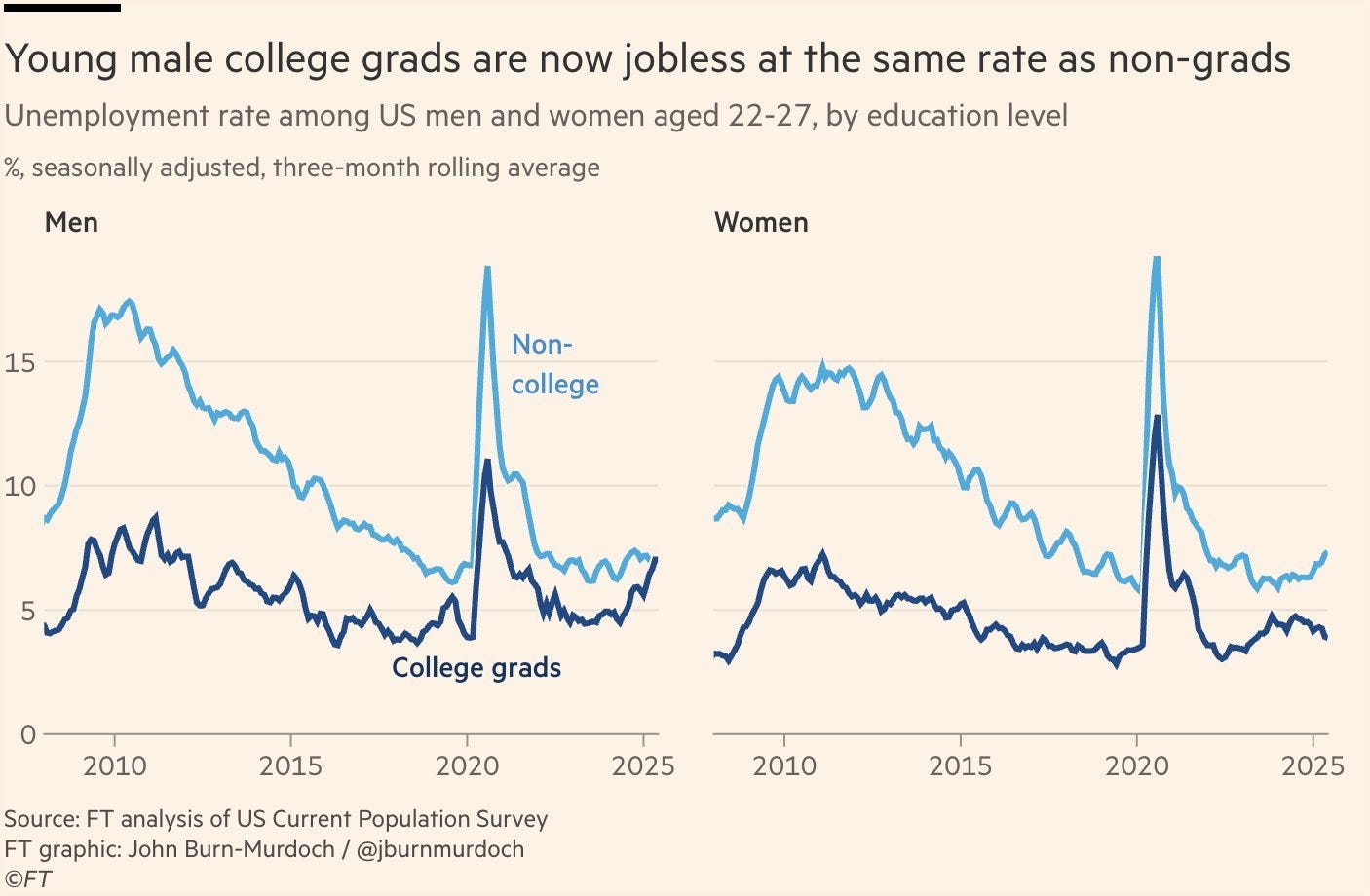
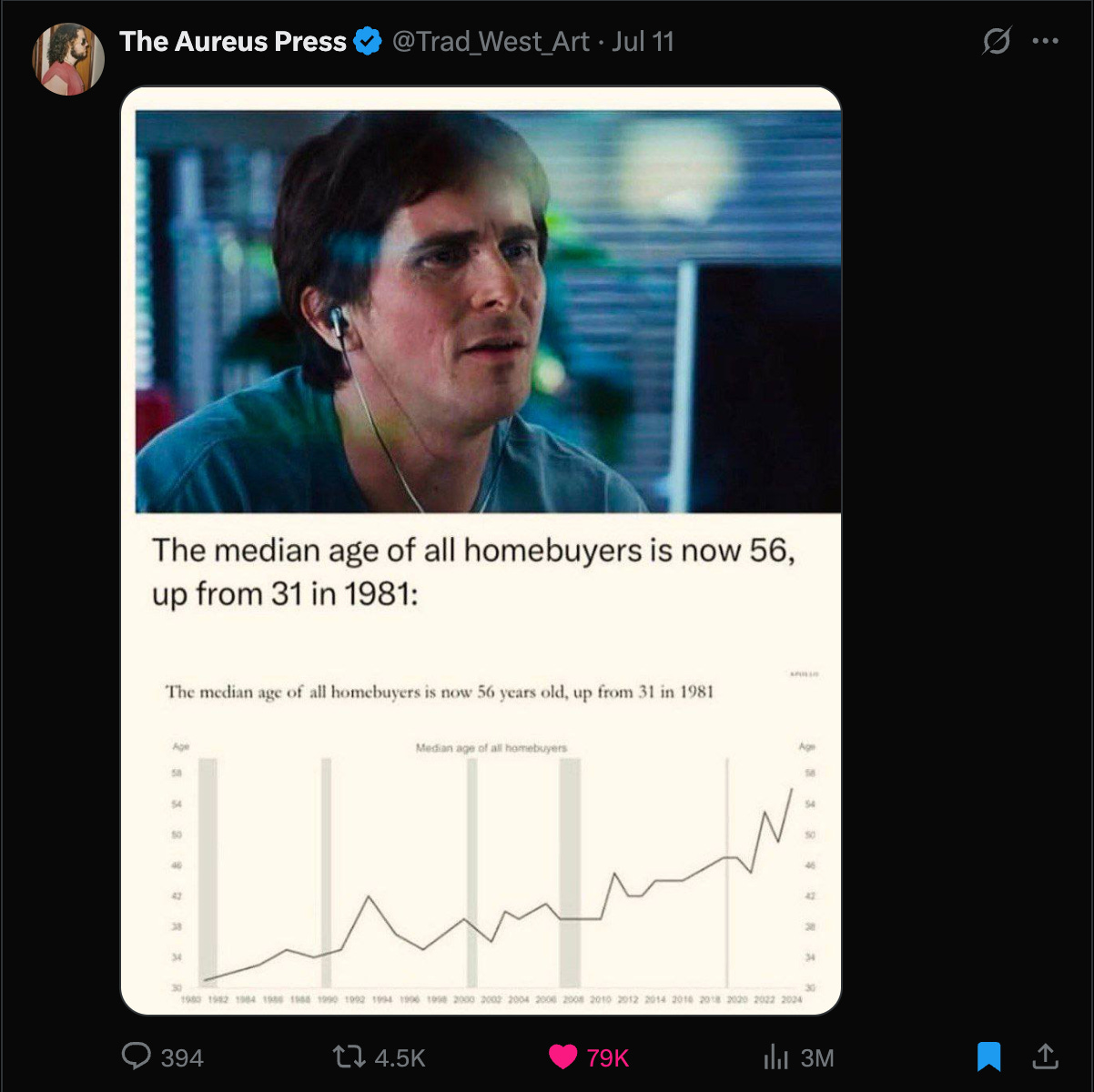
An alarming trend that highlights how much things have changed.
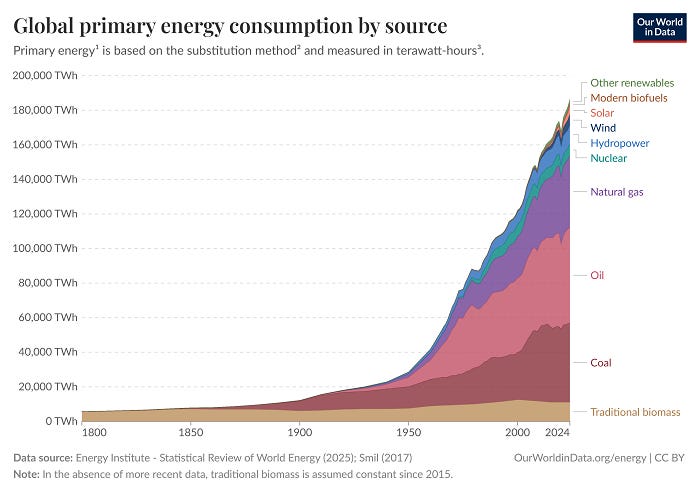
Despite all of the renewables chatter, our energy sources are dependent on non-renewables.
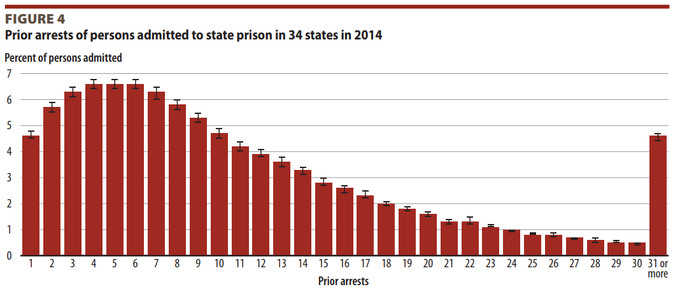
Over 90% of crime was committed by people with 2 or more arrests.
Memes: